By LensPT Team · Published November 11, 2026
When a distributor considers replacing a CR-39 single-vision assortment with 1.59 polycarbonate, the practical question is which orders can move to the new material without changing the approved frame, finish or lens geometry. Start with a few jobs from the assortment and compare the same prescription and frame in both materials. Review material identity, finished thickness and weight, and the lab’s edging and mounting requirements before changing the order code.
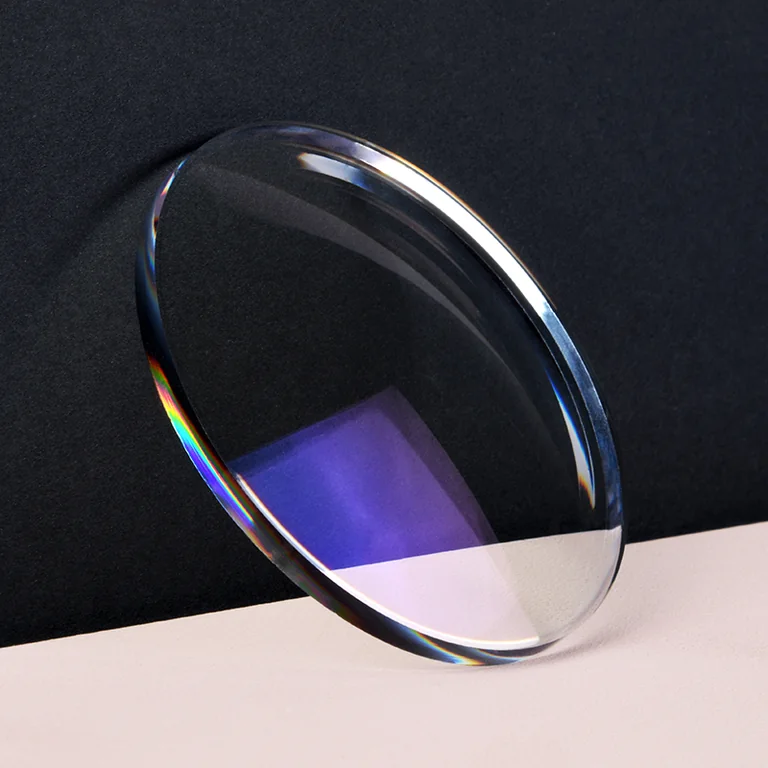
Publisher disclosure. LensPT supplies optical lenses. This guide uses published material and product information and an original comparison worksheet. The cover shows a catalog product. The guide includes no comparative test results.
What do CR-39 and 1.59 polycarbonate describe?
CR-39 is PPG’s trade name for an optical monomer used to make plastic lenses. In a quotation, a nominal index such as 1.499 describes the optical material’s refractive index. A material declaration or data sheet identifies the substrate offered for the SKU. Ask for both fields when a quote uses “CR39” as shorthand. PPG optical materials
LensPT’s PC single-vision product page identifies polycarbonate and lists a nominal index of 1.59. Its general single-vision page lists 1.499 among several indices. To compare a specific CR-39 offer with the PC product, request the material designation for the 1.499 configuration and the product code for each candidate. Clear single-vision lens specifications · 1.59 PC single-vision lens specifications
Compare the two lenses on the same job
Use one order line as the basis for both samples. Give the suppliers the same prescription, frame trace, centration information, finish and delivered stage. Ask them to record any difference in optical design, base curve or minimum thickness assumptions alongside the result. If a supplier proposes a different coating or diameter, give that alternative its own line in the comparison.
| What to compare | What to keep in the sample record | How the buyer uses it |
|---|---|---|
| Material and design | Substrate designation, nominal index, lens design and product code. | Identify the exact item and make substitutions visible. |
| Finished geometry | Prescription, frame trace, centration, thickness locations and readings in mm. | Compare the profile at the part of the frame where thickness matters. |
| Weight | Lens weight in grams at the same processing stage. | Use the actual parts when weight affects the decision. |
| Dispersion | Supplier’s Abbe value and data sheet for each actual material, plus any relevant sample feedback. | Discuss the effect of dispersion with the optical team using material-specific data. |
| Finish | Coating code, treatment on each surface and approved appearance sample. | Compare the finish supplied with each quote and set the reorder reference. |
If the quotes cover finished stock lenses and the lab will edge them, compare the resulting edged lenses using the same trace. If the quotes cover blanks, capture the remaining surfacing and finishing steps before comparing price or weight. Finished vs. semi-finished lenses
Run the trial through the intended lab
Ask the lab to process the two samples on the frame construction the program actually uses. Record the lens, coating, trace and edging or mounting setup with the result. If the assortment includes full-rim and drilled frames, keep separate records so an approval for one construction has a clear scope.
For a program with an impact or protection requirement, give the supplier the intended application and destination market. Request the applicable evidence for the configuration being quoted. Have the responsible product team check whether the documentation covers the lens alone or the assembled eyewear, along with the material, thickness and mounting conditions named in the record.
Keep coating and tint requirements visible
LensPT lists UC, HC and HMC for its 1.59 PC single-vision route, with custom coatings also listed. Use the supplier’s coating code in the order. If the program calls for a particular tint or color match, ask the lab and supplier to confirm the tint route and approve a sample of the actual material and finish. A color reference from a previous assortment gives them a target to match. HC, HMC and SHMC coating guide
Decide which order lines to approve
| Trial outcome | Order decision |
|---|---|
| The current assortment meets the brief | Keep its approved material and finish codes. Record the reason for testing another material if a new requirement comes up. |
| PC meets the brief on defined jobs | Approve a distinct PC code for the tested design, finish and application. Attach the representative job records. |
| Results differ by frame or prescription | Split the order by application. Extend testing to the jobs that still need a decision. |
| The quote changes material, finish or delivered stage | Request an updated quote on the original basis and keep the proposed alternative available for separate review. |
Questions buyers ask
Will a 1.59 PC lens always be thinner than CR-39?
Index is one input. Compare the relevant edge or center thickness for the actual prescription, frame, design and production constraints. Ask for both the measurement location and the processing stage.
Can I approve one sample for the whole assortment?
Define the range that sample represents. Pick additional jobs where the frame shape, prescription, finish or mounting method changes the approval decision.
Request a material comparison from LensPT
Send the current material and SKU, candidate material, lens design, prescription range, frame trace for representative jobs, diameter, coating, quantity, packaging and destination market. Ask for the material declaration, configuration codes and proposed sample scope on the same quotation. Send a lens sourcing inquiry